EcoFlowSmallest that fits
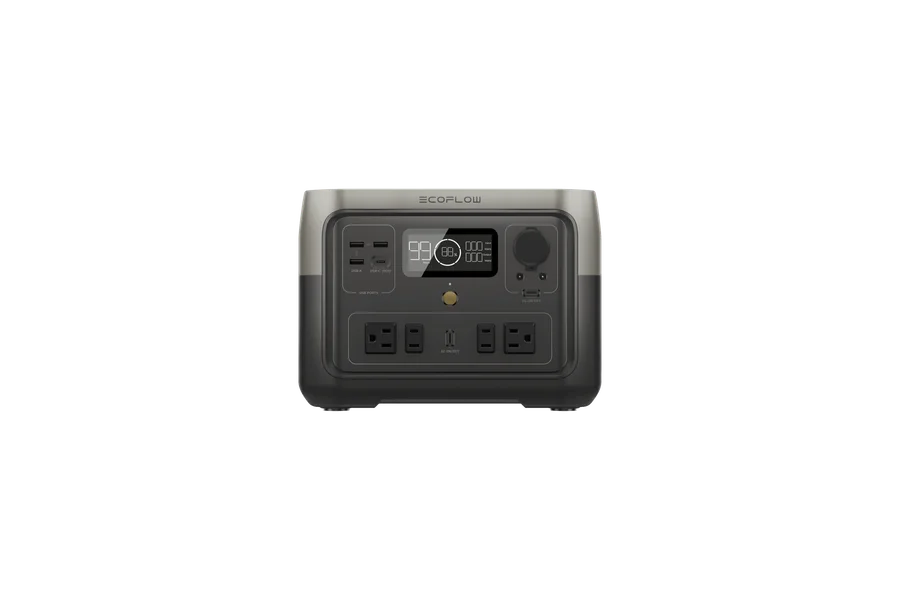
EcoFlow RIVER 2 Max 500
- Battery capacity
- 499 Wh
- Continuous AC output
- 500 W
- Rated surge / peak
- Not listed
- AC voltage
- 120V
Power station calculator
A CPAP without heated humidification typically uses about 30–60 watts. Calculate how much battery capacity your exact setup needs for one night, a camping trip, or an outage.
Actual CPAP power use varies by model, pressure settings, heated humidifier, heated tubing, and whether AC or DC power is used.
Quick answer
A CPAP without heated humidification typically draws about 30–60 watts. Over an 8-hour night, that is roughly 240 Wh–480 Wh before inverter losses and battery reserve. A heated humidifier and heated tube can raise consumption substantially, so use the wattage for your exact machine and settings.
| CPAP setup | Power draw (watts) | Energy for 8 hours (Wh) |
|---|---|---|
| Without heated humidification | 30–60 W | 240 Wh–480 Wh |
| With heated humidifier | Higher and setting-dependent | Check the device label or measure it |
| Humidifier plus heated tube | Usually the highest-use setup | Calculate from your measured watts |
Watts describe the rate of power draw. Watt-hours describe the battery energy used over time; despite the common search phrase, “watts per hour” is not the battery-capacity unit.
Daily usage
320 Wh
Total energy per day
Recommended capacity
471 Wh
Shop around 500 Wh
Estimated runtime
26 hours
For a 500 Wh unit
You're all set. A 500 Wh power station covers your 320 Wh/day with the 20% reserve and 85% inverter efficiency you set. Adjust your devices or usage to see it change.
Edit any value — the summary updates as you type.
Example power values only — check your CPAP's actual power requirements.
The defaults suit most people. Adjust them if your situation is different.
Recommendation
Your result already includes the inverter efficiency and battery reserve you selected. Compare only the power stations that meet that calculated capacity, then verify the outlets and CPAP power connection you plan to use.
Your estimate points to roughly the 500Wh class. Compare the units below on the specs that decide whether one will run your devices.
Your estimate is around 500Wh, which suits a small device or a short top-up.
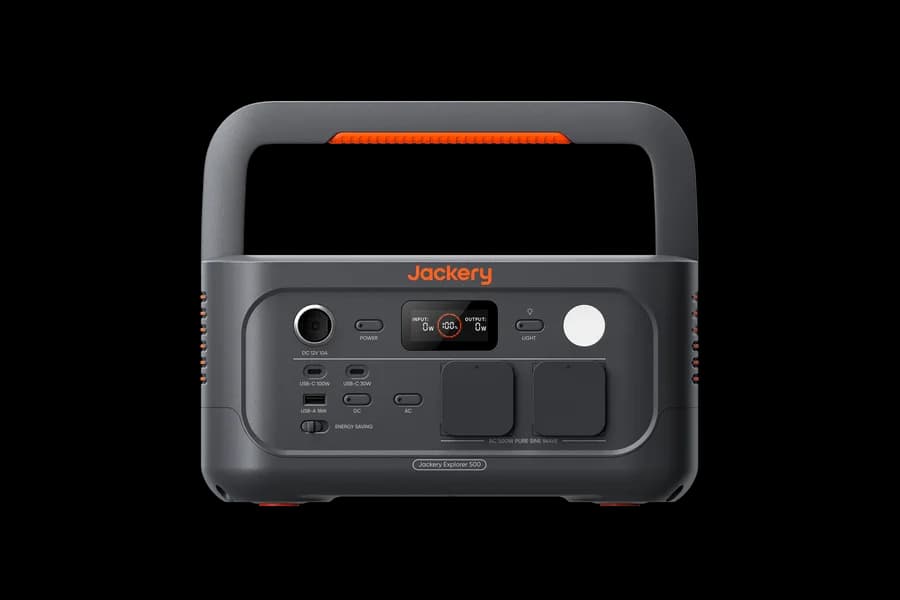


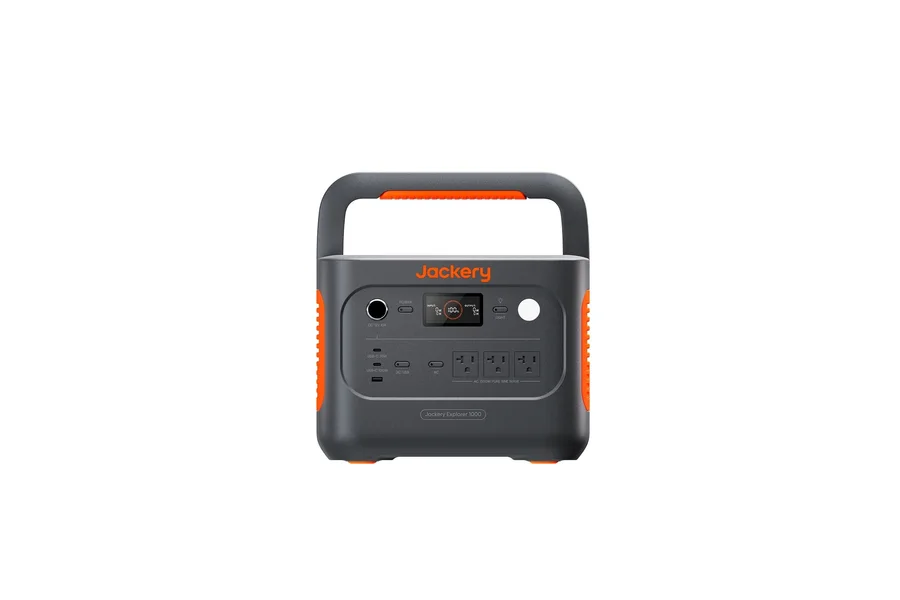
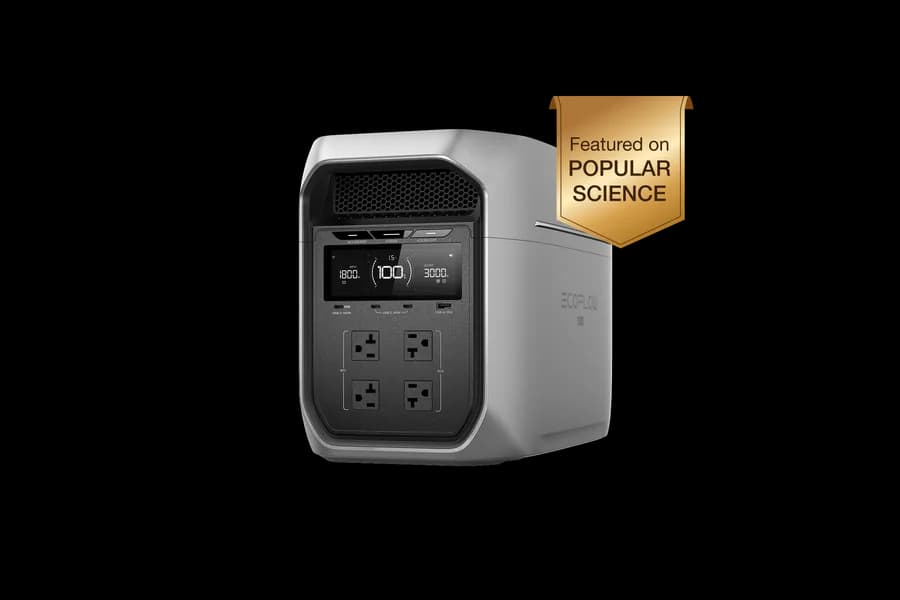
Capacity class is a starting point only. Specs shown are the manufacturer's published, per-model figures; prices and availability change, so confirm the actual unit's specifications — usable capacity, continuous and surge output, AC voltage, and maximum charge input — on the retailer's page against the devices you plan to run before buying.
Disclosure: Some links in this section are affiliate links. Your purchase price stays the same, and this site may earn a referral commission if you buy through them.
As an Amazon Associate I earn from qualifying purchases.
40 W × 8 hours = 320 Wh
That 320 Wh is the raw energy a 40-watt CPAP uses in one night — but it's not quite the number to shop for. Inverter losses and a battery reserve both push the real requirement higher. Using this calculator's defaults (85% efficiency, 20% reserve), that same night works out to about 471 Wh, which rounds up to a 500 Wh power station.
CPAP machines typically draw somewhere between 30 and 60 watts on their own, but the exact figure depends on several factors: the specific machine model, the pressure setting you use, whether a heated humidifier is running, whether heated tubing is attached, and whether the machine is powered directly from DC (such as a car outlet or a battery pack's DC port) or through an AC inverter. Running through an inverter adds a small additional loss, since converting stored DC battery power to AC wastes some energy as heat. A calculator result is only as accurate as the wattage you enter, so check your CPAP's power label or manual for the exact figure for your setup.
The underlying math is simple: watts × hours = watt-hours. A 40-watt CPAP running for 8 hours uses 320 Wh in a night. From there, two adjustments make the real-world number larger. First, most power stations convert stored DC energy to AC through an inverter that isn't perfectly efficient — typically 80 to 90% — so some energy is lost as heat. Second, it's worth keeping a reserve (commonly 20%) unused, both to protect the battery's lifespan and to leave a buffer if a trip or outage runs longer than planned.
Applying both adjustments to that 320 Wh figure with this calculator's defaults (85% efficiency, 20% reserve) recommends about 471 Wh — which in practice rounds up to a 500 Wh power station.
Turning off a heated humidifier, or not using one, is one of the more effective ways to reduce a CPAP's power draw, since heating water takes meaningfully more energy than running the blower motor alone. Some people find they're still comfortable without added humidification, especially on short trips or in humid climates, while others rely on it day to day. Whether to use a humidifier is a personal and medical decision — follow your prescribing clinician's guidance and your device's instructions rather than choosing based on battery life alone.
A heated humidifier adds a heating element that can noticeably increase a CPAP's total power draw compared to running the blower motor alone, and heated tubing — which helps prevent condensation, sometimes called "rainout," inside the hose — adds further consumption on top of that. If you rely on either, plan around your machine's higher wattage rating rather than its base blower-only figure, and consider testing your actual setup with a plug-in watt meter for the most accurate number to enter into the calculator above.
Multi-night trips add planning considerations beyond a single night at home. Multiply your nightly watt-hour estimate by the number of nights to get a rough baseline, then add extra reserve since recharging opportunities may be limited. Solar panels paired with a power station can recharge during the day, but output varies with weather, panel size, and daylight hours, so it's worth not counting on a full recharge every day. Running a CPAP directly from a 12V DC source, where your machine supports it, generally wastes less energy than routing through an AC inverter, since it skips a conversion step. Cold temperatures can also reduce a battery's usable capacity, so budget extra margin for cold-weather trips.
If you're also running Starlink at the same campsite, see our Starlink Power Station Calculator to size a battery that covers both. And if you run a heated blanket on cold nights, the Electric Blanket Power Station Calculator sizes that overnight load alongside the CPAP.
For outage planning, decide how many nights you want to cover and multiply your nightly watt-hour estimate accordingly — roughly double your one-night figure for two nights, triple it for three, and so on. Consider whether you'll have any way to recharge during an extended outage, such as a vehicle, solar panel, or generator, since that changes how much capacity you actually need to keep on hand.
If you're also backing up a refrigerator, Wi-Fi router, or other devices during the same outage, use the Home Power Outage Calculator to add them all to one estimate.
This calculator is a planning aid, not a substitute for your CPAP manufacturer's guidance or a personal emergency preparedness plan. For medical-necessity power needs, it's worth discussing backup options directly with your equipment supplier or clinician.
This example uses a 40-watt CPAP for 8 hours per night. The recommended capacity uses the calculator defaults of 85% inverter efficiency and a 20% reserve. Change the calculator above if your machine or settings use more power.
| Nights | Raw CPAP energy | Capacity after losses + reserve | Common size class |
|---|---|---|---|
| 1 night | 320 Wh | 471 Wh | 500 Wh |
| 2 nights | 640 Wh | 941 Wh | 1,000 Wh |
| 3 nights | 960 Wh | 1,412 Wh | 1,500 Wh |
Example values only, not a universal CPAP specification. Check the label, power supply, or manual for your exact setup and follow the manufacturer's guidance.
A CPAP without heated humidification typically draws about 30 to 60 watts. The exact wattage depends on the machine, pressure settings, humidifier, heated tube, and whether you use AC or supported DC power. Check the device label, power supply, or manual and enter that figure in the calculator.
At 30 to 60 watts, a CPAP without heated humidification uses about 240 to 480 Wh over 8 hours before inverter losses and battery reserve. Heated humidification and heated tubing can raise the total substantially, so calculate from the wattage of your actual setup.
No. Watts measure the rate at which the CPAP draws power. Watt-hours measure the battery energy it uses over time. Multiply watts by hours: a 40-watt CPAP running for 8 hours uses 320 Wh. The phrase 'watts per hour' is common in searches, but watt-hours are the useful unit for battery sizing.
Using the calculator defaults, a CPAP drawing 30 to 60 watts for 8 hours requires roughly 350 to 710 Wh of rated battery capacity after inverter loss and a 20% reserve. That generally points to a 500 to 750 Wh class for one night, but heated accessories may require more. Enter your exact wattage and settings for a tailored result.
For many CPAP machines without a heated humidifier, yes — a 500 Wh power station can typically cover one full night with some reserve to spare. If you use a heated humidifier or heated tubing, your machine may draw enough power that a 500 Wh unit only lasts part of the night, so check its actual wattage with the calculator above.
Yes, for most CPAP setups a 1,000 Wh power station comfortably covers one night, and often two nights for machines without a heated humidifier. It also tends to leave headroom for a phone charger or other small devices.
Divide the battery's usable watt-hours (its rated capacity minus inverter losses and any reserve you keep) by your CPAP's wattage. For example, a 300 Wh usable battery running a 40-watt CPAP would last around 7.5 hours — close to a full night.
Yes. A heated humidifier adds a heating element that can noticeably increase total power draw compared to running the blower motor alone, and heated tubing adds further consumption on top of that. If you use either, plan around your machine's higher wattage rating rather than its base figure.
Running a CPAP directly from a 12V DC source, where your machine and power supply support it, generally avoids the conversion loss that comes with an AC inverter, so it can be somewhat more energy-efficient. Check whether your CPAP model supports direct DC operation and what cable or adapter it requires.
Multiply your one-night watt-hour estimate by three, then apply your usual efficiency and reserve adjustments. For a 40-watt CPAP without a humidifier (roughly 320 Wh per night), three nights works out to about 960 Wh raw, which typically rounds up to a 1,500 Wh power station once efficiency and reserve are factored in — more if you can only partially recharge between nights.