EcoFlow

EcoFlow DELTA 3 Classic
- Battery capacity
- 1,024 Wh
- Continuous AC output
- 1,800 W
- Rated surge / peak
- 3,600 W
- AC voltage
- 120V
Power station calculator
Estimate the battery capacity you need to run Starlink while camping, traveling, during an outage, or off-grid.
Starlink power use varies by hardware version, weather, activity, temperature, and whether you power it through AC or a DC conversion setup.
Daily usage
600 Wh
Total energy per day
Recommended capacity
882 Wh
Shop around 1,000 Wh
Estimated runtime
27 hours
For a 1,000 Wh unit
You're all set. A 1,000 Wh power station covers your 600 Wh/day with the 20% reserve and 85% inverter efficiency you set. Adjust your devices or usage to see it change.
Edit any value — the summary updates as you type.
Example power values only — actual Starlink consumption varies by hardware, weather, usage, temperature, and power setup.
The defaults suit most people. Adjust them if your situation is different.
Recommendation
Your estimate points to roughly the 1,000Wh class. Compare the units below on the specs that decide whether one will run your devices.
Your estimate is around 1,000Wh, a common size for overnight use or several small devices.

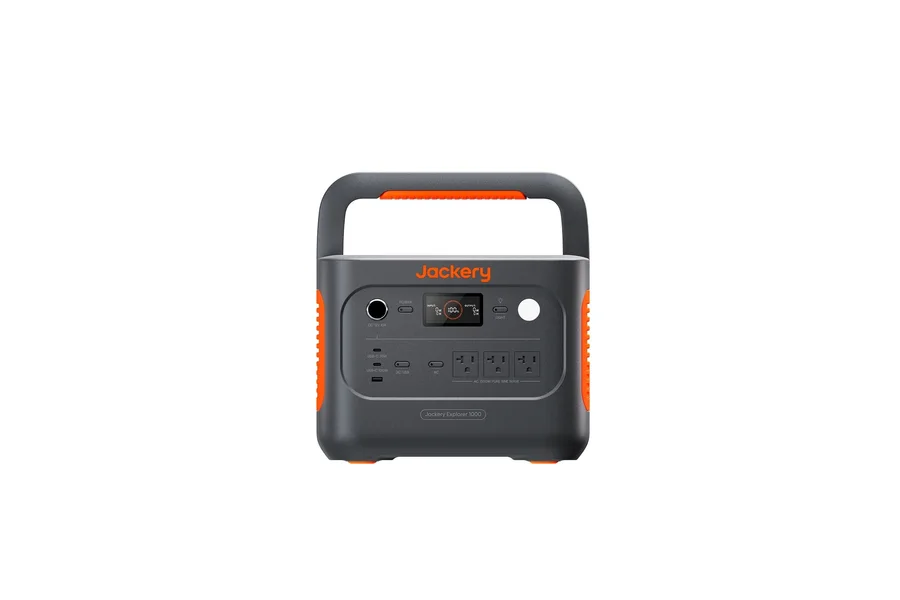
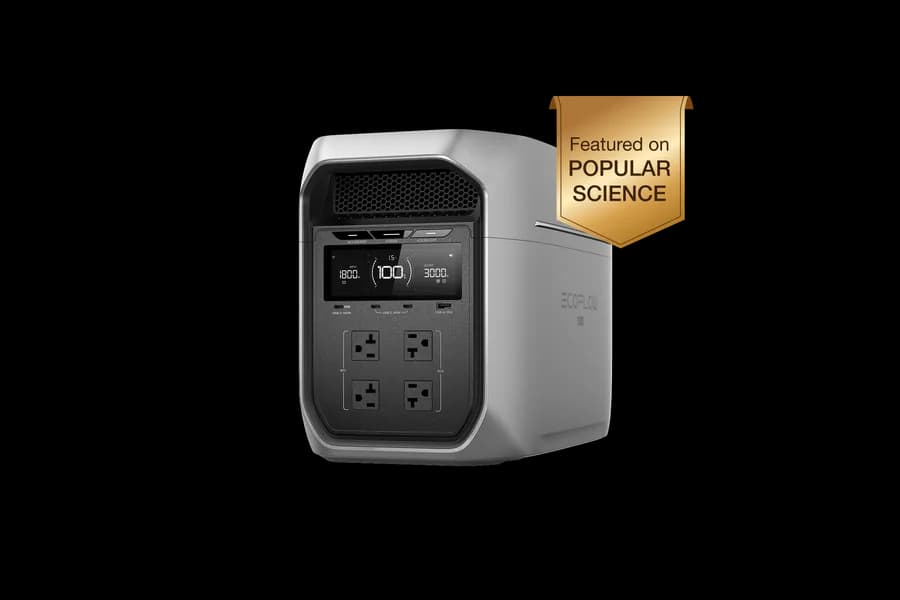
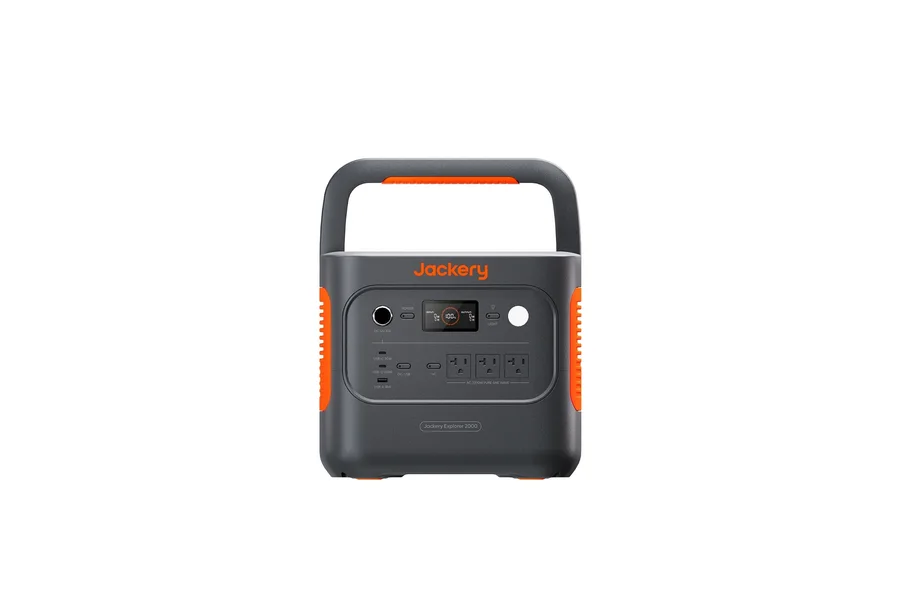
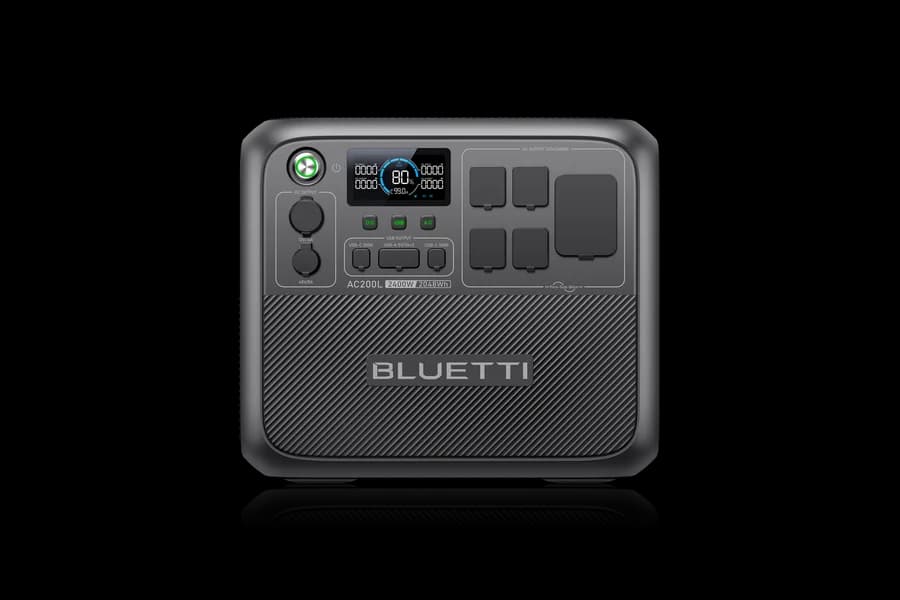
Capacity class is a starting point only. Specs shown are the manufacturer's published, per-model figures; prices and availability change, so confirm the actual unit's specifications — usable capacity, continuous and surge output, AC voltage, and maximum charge input — on the retailer's page against the devices you plan to run before buying.
Disclosure: Some links in this section are affiliate links. Your purchase price stays the same, and this site may earn a referral commission if you buy through them.
As an Amazon Associate I earn from qualifying purchases.
75 W × 8 hours = 600 Wh
That 600 Wh figure is a raw daily energy estimate for one common usage pattern — inverter losses and a battery reserve push the real requirement higher. Using this calculator's defaults (85% efficiency, 20% reserve), the same day works out to about 882 Wh, which rounds up to a 1,000 Wh power station. Your actual Starlink wattage and hours of use may differ — check the calculator above with your own numbers.
Starlink hardware typically draws somewhere in the range of 40 to 150 watts, depending on the specific dish and router generation, weather conditions (snow-melt heating can increase draw substantially), network activity, and ambient temperature. Because consumption varies so much by hardware version and conditions, there's no single figure that applies to every setup. Check your specific Starlink kit's power adapter rating, or measure actual consumption with a plug-in watt meter, for the most accurate number to enter into the calculator above.
Daily watt-hour use is watts multiplied by hours of use: a 75-watt Starlink setup running 8 hours a day uses about 600 Wh. How many hours to enter depends entirely on your usage pattern — occasional daytime use is very different from keeping the dish powered around the clock.
The difference matters more than it might seem: the same 75-watt setup running all 24 hours of the day uses about 1,800 Wh — three times as much energy. If you need continuous internet service rather than occasional use, plan around the full-day figure, not the part-time one.
Start with a daily watt-hour estimate based on your Starlink hardware's actual wattage and how many hours a day you'll run it, then multiply by the number of days of backup you want. The calculator above adjusts that figure upward for inverter efficiency and the battery reserve you want to keep, then rounds up to a common power station size. If you're not sure how many hours you'll actually use it, err toward more — Starlink is easy to under-budget for, since a quick glance at its typical "idle" wattage doesn't always reflect real-world network activity and weather-related heating.
The concept is simple: usable battery energy divided by Starlink's average power draw gives an approximate runtime. The runtime estimator built into the calculator above does this automatically, using your entered wattage, hours, efficiency, and reserve settings. Because Starlink's actual draw can shift with weather and network activity, treat the estimate as a reasonable planning figure rather than an exact countdown. For a device-agnostic walkthrough of the runtime formula and the real-world losses behind it, see the Power Station Runtime Calculator.
For camping trips, decide whether you'll run Starlink for a few hours in the evening or keep it connected most of the day, then size your battery around that actual usage pattern rather than assuming continuous operation. Multi-night trips benefit from adding a reserve buffer and considering a way to recharge, since Starlink's power draw adds up quickly compared to smaller devices like phones or lights.
RV and van setups often run Starlink for extended periods alongside other electronics, so it's worth thinking about total daily energy use rather than Starlink in isolation. A dedicated house battery bank or a larger power station, paired with solar or alternator charging, is common for full-time or long-term van life use, since relying on a single small power station for all-day connectivity plus other loads can drain it faster than expected.
To size a unit for Starlink plus your fridge, lights, fan and other camping loads together, use the RV Power Station Calculator.
During a power outage, decide how many days you want to keep Starlink running and multiply your daily watt-hour estimate accordingly. Consider whether you'll have a way to recharge the power station during an extended outage, since that changes how much capacity you actually need on hand.
For a broader estimate that includes other devices you might want to keep running during the same outage, use the full Power Station Size Calculator.
Battery capacity and conversion efficiency are two different things worth understanding together. If your setup looks like battery (DC) → inverter (AC) → Starlink power supply → dish (DC), each conversion step loses a bit of energy as heat. A direct DC-compatible setup can reduce some of that conversion loss for certain configurations, but not every Starlink kit or power station supports the same voltage or connector standard — this isn't something that applies universally across all models. Before using any non-standard power arrangement, verify the voltage, connector type, and hardware compatibility against your Starlink kit's documentation and your power station's manufacturer guidance, rather than attempting wiring modifications that aren't explicitly supported by the manufacturers involved.
Campers and RV users often need to power more than just Starlink at the same time — a laptop, phone chargers, separate Wi-Fi or router equipment, a refrigerator, and lights are common additions. Rather than sizing a power station for Starlink alone, add every device you actually plan to run into the calculator above so the total reflects your real setup. If a refrigerator is part of your load, our Refrigerator Power Station Calculator covers compressor cycling and startup surge in more detail.
Solar panels can help sustain Starlink's power draw over multiple days by recharging the battery during daylight hours. The basic question is whether your daily solar energy recovered can keep up with your daily Starlink watt-hour use — if solar input consistently falls short, the battery will gradually drain over consecutive days even if it holds up fine for a single day. Actual solar input depends on panel wattage, available sun hours, weather, panel angle, and charging losses, and most power stations also cap how fast they'll accept a charge, so it isn't possible to promise a specific number of sun-hours that will work for every setup. The Solar Charge Time Calculator works through those numbers — charge energy, real-world panel input, and peak sun hours — in more depth, and the Solar Panel Size Calculator goes the other way, from a recharge deadline to the panel wattage it needs.
These figures haven't been adjusted for inverter efficiency or battery reserve yet — use the calculator above for a number tailored to your actual hardware and usage pattern.
| Scenario | Power draw | Hours/day | Daily use | ~2 days (before adjustments) |
|---|---|---|---|---|
| Light use | 50 W | 8 h | 400 Wh | 800 Wh |
| Typical example | 75 W | 8 h | 600 Wh | 1,200 Wh |
| Higher draw example | 100 W | 8 h | 800 Wh | 1,600 Wh |
| Full day (continuous) | 75 W | 24 h | 1,800 Wh | 3,600 Wh |
Example values only. Actual Starlink consumption varies by hardware, weather, usage, temperature, and power setup.
Starlink hardware typically draws somewhere between 40 and 150 watts depending on the generation and conditions. Using a common example of 75 watts for 8 hours a day, that's roughly 600 Wh of daily use, which after inverter losses and a battery reserve typically points to a power station in the 750 to 1,000 Wh range for one day — more if you run it closer to continuously. Enter your specific hardware's wattage and hours of use into the calculator above for a number matched to your setup.
Starlink power draw varies by hardware generation, weather (snow-melt heating can increase it), network activity, and temperature, with a commonly cited range around 40 to 150 watts. Check your specific kit's power adapter rating or measure actual consumption with a plug-in watt meter for the most accurate figure.
It depends heavily on how many hours a day you run it. A 75-watt setup used for 8 hours uses about 600 Wh, while the same setup running all 24 hours uses about 1,800 Wh — three times as much. Match the hours you enter into the calculator to your actual usage pattern.
For occasional or part-day use at a modest wattage, a 500 Wh power station can often cover several hours to about half a day of Starlink use. It's generally not enough for a full day of continuous operation. Use the calculator above with your actual wattage and hours to check.
A 1,000 Wh power station can typically cover a full day of moderate, part-time Starlink use for many setups, though it likely won't sustain 24-hour continuous operation on its own without recharging.
For a 75-watt Starlink setup, a 2,000 Wh power station could theoretically run it for over a full day of continuous use, before accounting for inverter losses and reserve. Use the runtime estimator in the calculator above for a number based on your specific settings.
Yes, this is one of the most common uses for a portable power station. Size the battery around how many hours a day you'll actually use Starlink rather than assuming continuous operation, and consider a solar panel for trips longer than a day or two.
Yes — add both devices into the calculator above so the combined daily watt-hour estimate reflects your real setup, since sizing for Starlink alone would underestimate what you actually need. Our Refrigerator Power Station Calculator covers refrigerator-specific considerations like compressor cycling in more depth.
A direct DC-compatible setup can avoid some of the conversion loss that comes with running through an inverter, but not every Starlink kit or power station supports the same voltage or connector standard. Check your hardware's documentation and manufacturer guidance before using any non-standard power arrangement.
It depends on your daily Starlink watt-hour use compared to how much solar energy you can realistically recover each day, which varies with panel wattage, sun hours, weather, and panel angle. There's no single solar panel size that works for every setup — sizing solar for sustained, multi-day use generally means comparing your expected daily consumption against your panel's realistic daily output with some margin for cloudy days.