EcoFlow

EcoFlow DELTA 3 Classic
- Battery capacity
- 1,024 Wh
- Continuous AC output
- 1,800 W
- Rated surge / peak
- 3,600 W
- AC voltage
- 120V
Power station calculator
Work out what a portable power station needs to run a coffee maker: enough continuous AC output for the heating element's watts, and enough battery capacity for the brew — which, for a short cycle, is not much.
Enter the coffee maker's input watts from its label, not an assumption from whether it is drip, pod, or espresso. The brew is brief, so the inverter's output rating usually matters more than capacity.
Enter the coffee maker's electrical input watts from its rating label, manual, or a watt meter — and the minutes it actually draws power, including keep-warm time if you use it.
Backup settings
Example only — 1,200 W coffee maker, 10 minutes of use. Replace both with your machine's actual input watts and run time.
294 Wh
Recommended battery capacity after inverter efficiency and reserve. Look for a power station around 300 Wh — the 500Wh class.
Estimated coffee maker energy use
200 Wh
Minimum before reserve
235 Wh
This is a planning estimate. It assumes the coffee maker draws its full input watts for the whole time you enter. A brew cycle's draw varies between heat-up, brewing, and keep-warm — include the minutes it is actually powered rather than relying on a fixed correction.
This is separate from battery capacity. A power station needs both.
A coffee maker's heating element pulls its full wattage the whole time it is on. A power station can hold plenty of watt-hours and still fail to run one if its inverter's continuous AC output is below the coffee maker's input watts. Check the unit's rated continuous output against the number above.
A drip or pod coffee maker is a resistive heating load with no meaningful startup surge, so this page does not ask for one. An espresso machine with a pump is more complex — enter its actual input watts and a realistic run time, and check any startup or peak figure the maker publishes against the power station.
This calculator sizes energy (Wh) and reports the continuous output (W) you need from the numbers you enter. It does not check voltage or plug compatibility — confirm those yourself.
Recommendation
These 500Wh-class units have a confirmed continuous AC output of at least 1200 W, plus enough battery capacity for this load.
Your energy requirement fits a smaller battery class, but the 500Wh class is the first listed range with products whose confirmed AC output can meet your 1200 W load.

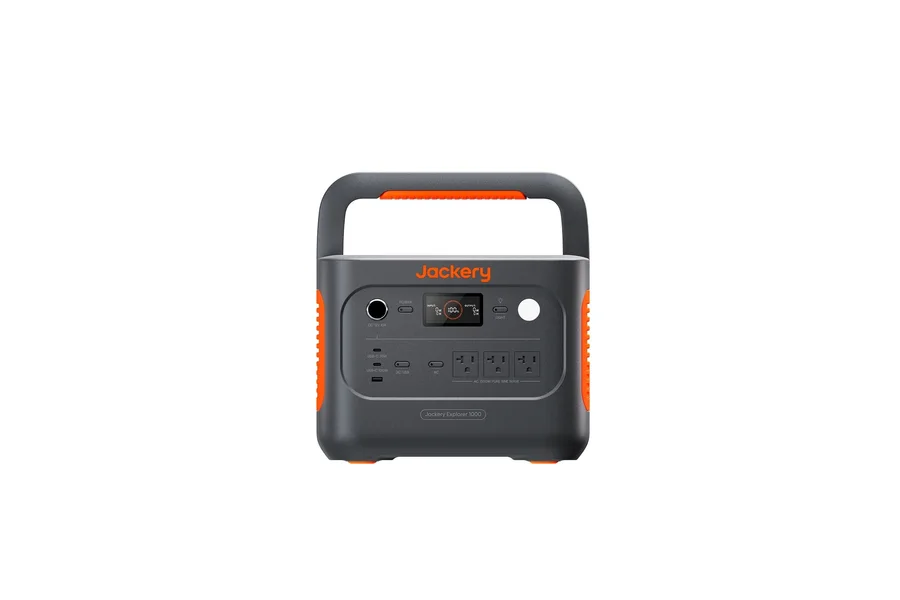
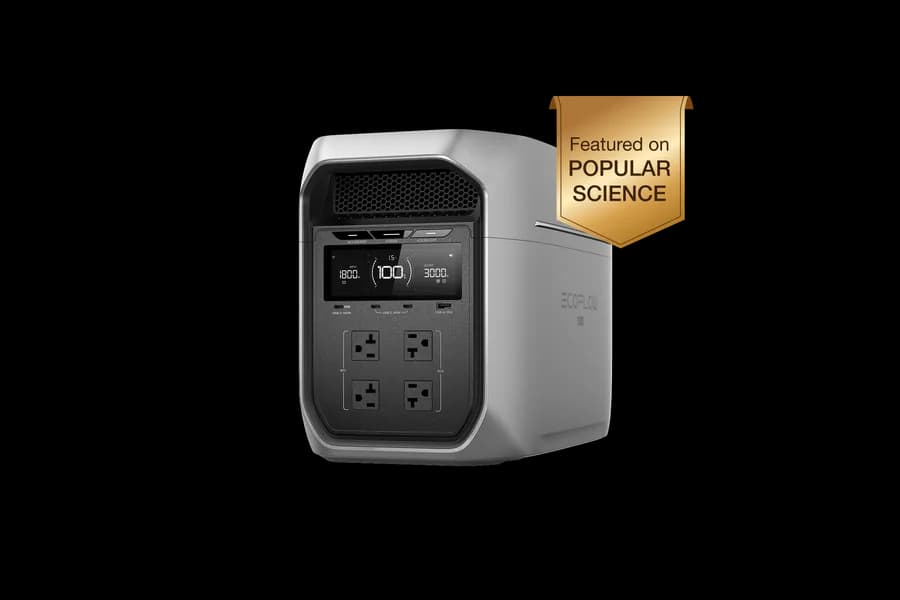
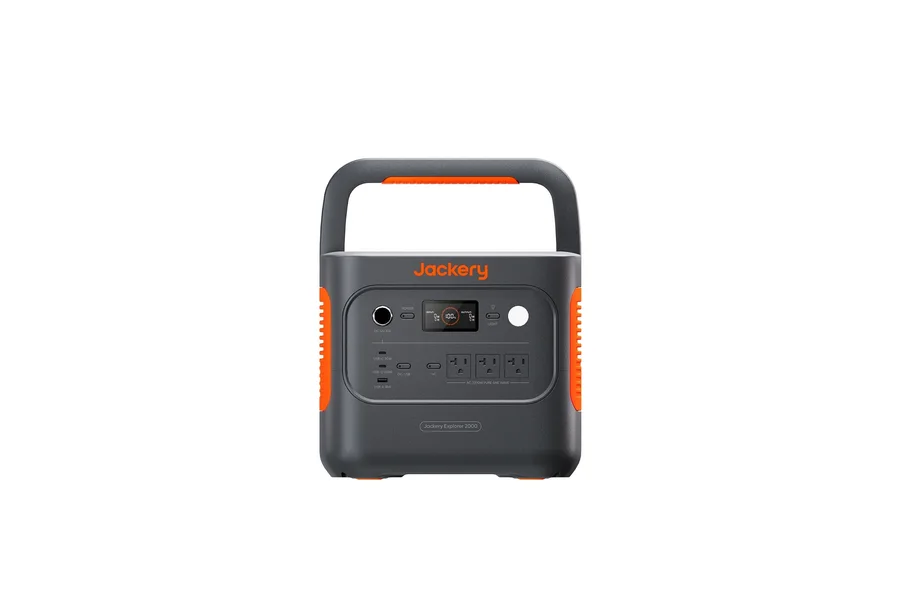
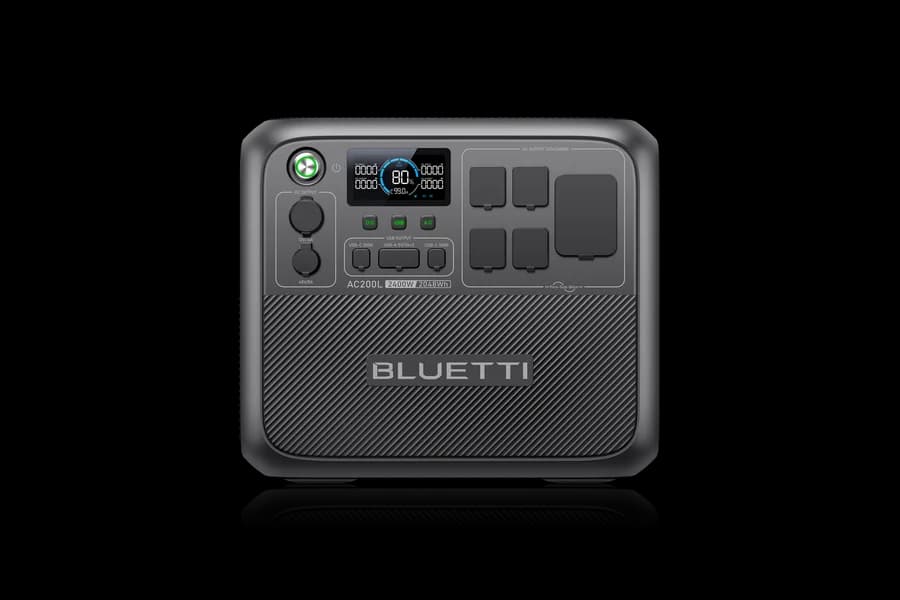
Capacity class is a starting point only. Specs shown are the manufacturer's published, per-model figures; prices and availability change, so confirm the actual unit's specifications — usable capacity, continuous and surge output, AC voltage, and maximum charge input — on the retailer's page against the devices you plan to run before buying.
Disclosure: Some links in this section are affiliate links. Your purchase price stays the same, and this site may earn a referral commission if you buy through them.
As an Amazon Associate I earn from qualifying purchases.
Recommendations above are based on the known battery-capacity and continuous-output requirements only. Before buying, verify the power station's continuous AC output against your coffee maker's input watts, plus its AC voltage, outlet configuration, real usable capacity, and your expected brew and keep-warm time — this is not an unconditional claim that a given unit will run your coffee maker.
A coffee maker runs for only a few minutes, so the watt-hours it uses are modest — a 10-minute brew is a couple of hundred watt-hours. But its heating element draws a high, steady wattage the whole time it is on, and the inverter has to supply that continuously. Battery capacity (watt-hours) and continuous AC output (watts) are separate specifications, and a coffee maker is usually limited by the second. This calculator sizes the watt-hours from the watts and minutes you enter and reports the continuous watts you need. It does not apply a brew-cycle or keep-warm duty cycle for you, and it does not check voltage or outlet type.
The energy side of this uses the same method as the main Power Station Size Calculator. Two specifications decide whether a power station can run a coffee maker, and they are independent:
Because of that, coffee-maker sizing is usually output-limited, not capacity-limited. To see how little runtime a short high-wattage load actually consumes, use the Power Station Runtime Calculator.
Common drip and single-serve machines land somewhere around 600–1,500 W, but do not assume a figure from the type. A small single-cup brewer can draw well under a kilowatt; a large carafe machine or one with a strong keep-warm plate can be higher. Espresso machines vary widely. Size the calculator on your machine's actual label wattage.
Energy use is the input watts multiplied by the fraction of an hour it draws power. Because a brew is measured in minutes, the watt-hour total stays small even at high wattage.
| Input watts | 5 min | 10 min | 20 min |
|---|---|---|---|
| 600 W | 50 Wh | 100 Wh | 200 Wh |
| 900 W | 75 Wh | 150 Wh | 300 Wh |
| 1,200 W | 100 Wh | 200 Wh | 400 Wh |
| 1,500 W | 125 Wh | 250 Wh | 500 Wh |
Add roughly 25% for an 85% inverter and a 20% reserve. Even a 1,500 W machine for 20 minutes is only around 500 Wh — a small battery covers it. What decides whether a power station works is almost always the continuous output rating, not the watt-hours.
A 1,200 W coffee maker run for 10 minutes. Example figures — use your own machine's label wattage and run time.
1,200 W × 10 min / 60 = 200 Wh
That 200 Wh is the raw energy. After 85% inverter efficiency it is about 235 Wh, and keeping a 20% reserve brings the recommended battery capacity to roughly 294 Wh — the 500Wh class on energy alone.
The output requirement is the catch. Separately from the 294 Wh, the power station has to supply at least 1,200 W continuously for the whole brew. Units in the 500Wh class typically have around a 500 W inverter, so the recommendation below searches up to the first listed class whose units have a confirmed continuous rating of 1,200 W or more. The calculator's own size figure does not change.
A coffee maker is only on for a few minutes, so it barely touches the battery. But for those minutes it draws its full wattage without pause. The inverter has to deliver that the entire time or it trips — the short duration does not make the load any lighter while it runs.
This is why the recommendation below can point to a larger class than your energy figure alone suggests. If your battery requirement fits the smallest range but that range's listed units cannot supply your coffee maker's watts, the section moves up to the first class whose units have a confirmed continuous rating that meets the load, and shows a short note explaining why. The calculator's own size figure stays put.
The same short-burst, output-limited pattern applies to a microwave and, over longer runs, an electric heater.
Whatever the type, the figure that matters is the machine's own input wattage, not a rule of thumb for the category.
Brewing itself is quick. A warming plate left on for an hour or two after the pot is made can use more energy than the brew did, because it keeps drawing power — often a few hundred watts — the whole time.
This calculator does not add keep-warm time automatically. If you leave the plate on, either:
The simplest way to save battery is to brew into an insulated carafe and switch the machine off.
On stored energy, yes. A 500 Wh unit has roughly 325–400 Wh usable, which is one to two brews of a typical drip machine, or several cups from a single-serve brewer.
Whether it runs the coffee maker at all is the harder part. Many 500 Wh power stations have an inverter rated around 500 W, well below the 900–1,500 W a full-size coffee maker draws while heating. A low-wattage single-cup brewer might fit; a carafe machine usually will not. Check the continuous AC output rating against your machine's input watts before counting on it.
For energy, easily — a 1,000 Wh unit with about 650–800 Wh usable is many brews' worth, since a single brew is only a couple of hundred watt-hours.
Output is the deciding factor. A 1,000 Wh power station with a 1,000 W inverter cannot sustain a 1,200–1,500 W coffee maker; a 1,000 Wh-class unit with a 1,500 W or larger inverter can. Check the continuous rating against your machine's input watts. If you also want to keep a fridge, lights, or a router going during an outage, add them together in the Home Power Outage Calculator.
Brew cycles are short, so there is time to recharge between them. The Solar Charge Time Calculator estimates how quickly a panel refills the power station. An electric kettle behaves the same way — brief, but output-limited.
Check every item against your coffee maker and your situation before buying:
A power station in the right range is a candidate, not a confirmation. Only its continuous AC output, checked against your coffee maker's watts, tells you it will run.
Size it on two numbers. Continuous AC output must be at or above the coffee maker's input watts, held for the whole brew — a 1,200-watt machine needs a 1,200-watt or larger inverter. Battery capacity is the watts times the minutes of use divided by 60, plus about 25% for inverter losses and a reserve; a 1,200-watt coffee maker for 10 minutes is about 200 Wh raw and roughly 300 Wh recommended, which almost any power station holds.
It has enough stored energy for a brew or two, but many 500 Wh units have an inverter around 500 watts, well below the 900 to 1,500 watts a full-size coffee maker draws while heating. A low-wattage single-cup brewer might work; a carafe machine usually will not. Check the continuous output rating.
On energy, easily — a single brew is only a couple of hundred watt-hours. Whether it runs depends on the inverter: a 1,000 Wh unit with a 1,000-watt inverter cannot sustain a 1,200 to 1,500-watt machine, while a 1,000 Wh-class unit with a 1,500-watt or larger inverter can.
Most drip and single-serve machines draw somewhere between about 600 and 1,500 watts of electrical input while heating water. Warming plates draw less. Read the figure off the rating label or measure it with a watt meter rather than assuming one from the machine type.
Multiply the input watts by 10 and divide by 60. A 1,200-watt coffee maker uses 1,200 x 10 / 60 = 200 Wh in 10 minutes, before inverter efficiency and a reserve. A 900-watt machine uses 150 Wh in the same time.
The heating element draws its full wattage the entire time it is on, even though that is only a few minutes. The inverter has to supply that continuously or it overloads. A short run keeps the watt-hour total small but does not reduce the instantaneous power demand.
Yes, if the power station's continuous AC output covers the brewer's input watts, which are typically around 1,200 to 1,500 watts while heating. The battery capacity is rarely the limit because each cup brews quickly. Check the label for the exact wattage and voltage.
You can use this calculator by entering the machine's actual electrical input watts and a realistic operating time. An espresso machine's boiler and pump make the load more variable than a drip machine, and this calculator does not model pump surges or boiler cycling, so also check any startup or peak figure the manufacturer publishes.
It can. A warming plate left on for an hour or two keeps drawing power the whole time and may use more energy than the brew itself. Add the keep-warm minutes to the use time, or calculate the plate's draw separately, rather than assuming it is negligible.
Yes, from a power station whose inverter can supply the coffee maker's watts. Treat it as a convenience load: during an outage, back up medical equipment, the fridge, and lights first. For camping, a stovetop or manual brewer avoids the power question altogether.